

Health Camps
Available Services at Your Doorsteps
DOOR-TO-DOOR MEDICAL SERVICES
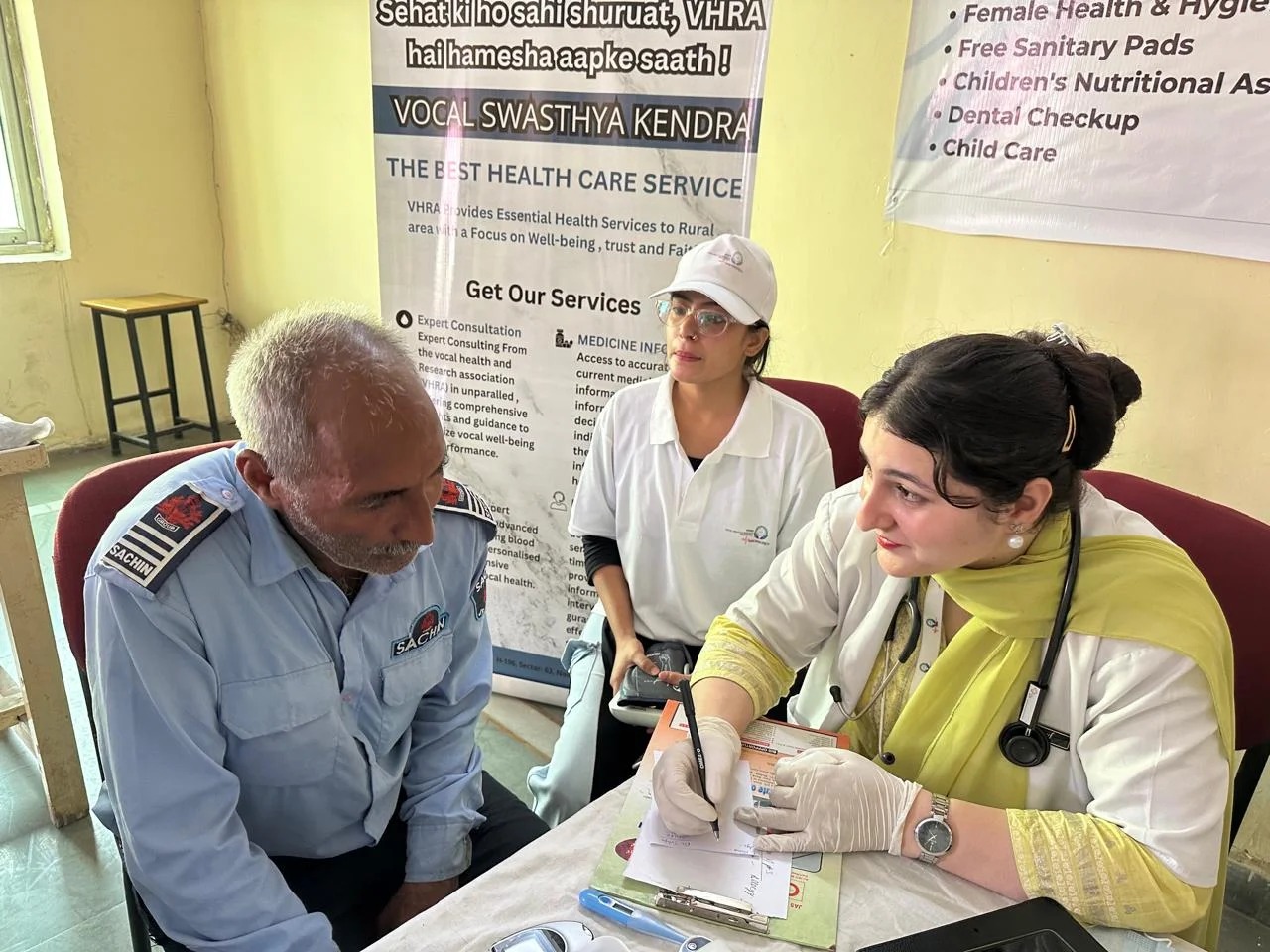
VHRA recognizes the growing need for accessible healthcare in rural and remote areas where transportation and awareness often present significant barriers. To address this, VHRA plans to implement door-to-door medical services, ensuring that essential healthcare reaches even the most isolated households. Trained healthcare workers will visit communities regularly, conducting basic check-ups, providing preventive care, and identifying individuals who require further medical attention. These visits will also allow early detection of diseases, promote timely intervention, and encourage health-seeking behavior. By bringing healthcare directly to people’s homes, VHRA aims to reduce hospital overcrowding, strengthen patient trust, and promote consistent medical follow-up. This personalized approach not only enhances access but also fosters stronger community relationships and a deeper understanding of public health needs.

DISTRIBUTION OF MEDICINES
VHRA aims to ensure that no individual is deprived of essential medication due to financial or geographic constraints. Through its planned distribution network, the organization will supply affordable or free medicines to underserved populations in rural and semi-urban areas. Partnering with licensed distributors and local health centers, VHRA will maintain strict quality standards and ensure that all drugs meet regulatory guidelines. Additionally, trained staff will educate patients about dosage, potential side effects, and storage methods. Special focus will be given to chronic illnesses like diabetes, hypertension, and respiratory diseases, which require consistent access to medication. By streamlining supply chains and ensuring equitable distribution, VHRA seeks to eliminate medicine shortages, reduce healthcare costs, and promote continuity in treatment among economically weaker sections of society.

HEALTH EDUCATION
VHRA believes that true healthcare begins with awareness and understanding. The organization is committed to launching comprehensive health education programs designed to empower rural populations with the knowledge needed to make informed lifestyle and wellness choices. These programs will focus on disease prevention, nutrition, sanitation, and maternal and child health. Trained educators and community health workers will conduct interactive sessions in schools, villages, and community centers using visual aids and regional languages for maximum engagement. By demystifying healthcare concepts and addressing local misconceptions, VHRA aims to create a culture of proactive health management. The goal is to build a foundation where individuals and families take ownership of their well-being, leading to healthier, more resilient communities that rely on preventive care rather than emergency interventions.

COMMUNITY ENGAGEMENT
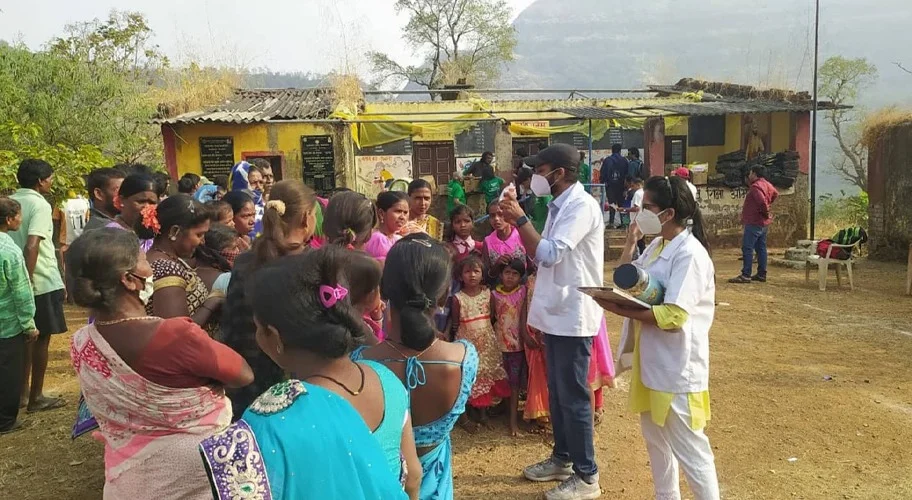
At the heart of VHRA’s mission lies a strong commitment to community participation. The organization understands that sustainable health outcomes are achieved only when communities are actively involved in identifying and solving their health challenges. Through community meetings, local partnerships, and awareness campaigns, VHRA will encourage individuals to voice their needs and contribute to shaping local health initiatives. Village leaders, educators, and women’s groups will be key partners in implementing health awareness drives and coordinating healthcare camps. By integrating local traditions and respecting cultural values, VHRA ensures its approach remains inclusive and trusted. This engagement strategy fosters long-term relationships, instills a sense of shared responsibility, and builds public confidence. Ultimately, community ownership becomes the driving force behind improved health indicators and stronger social cohesion.
IMPACTFUL PARTNERSHIPS
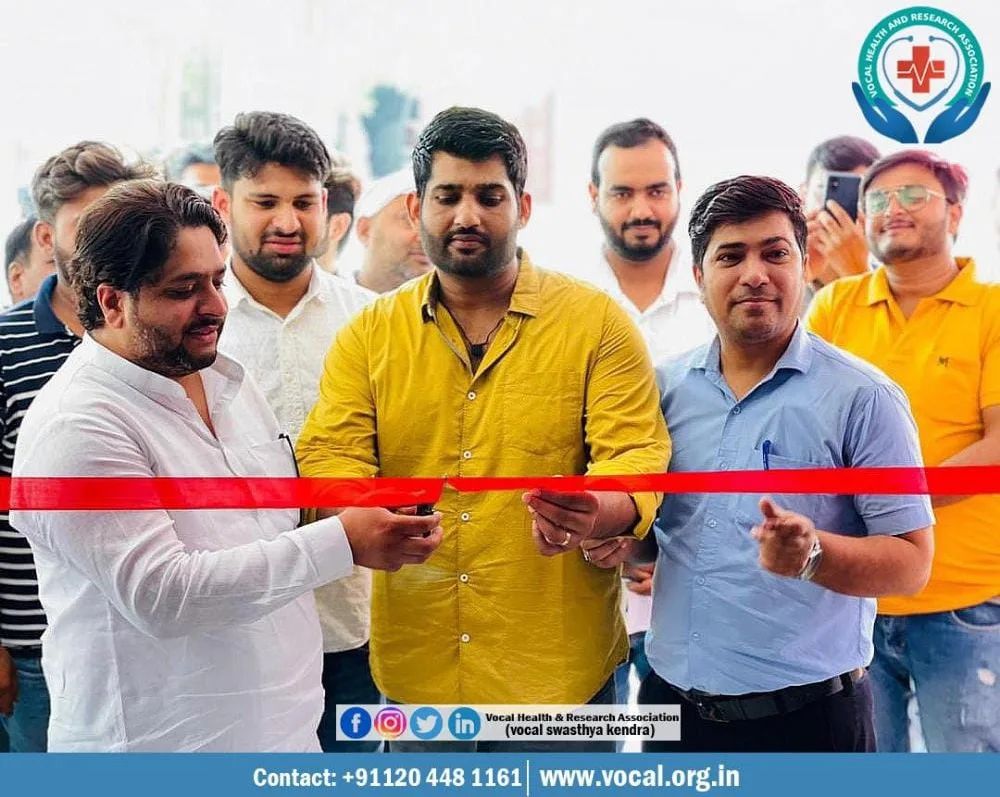
VHRA recognizes that collaboration is essential to achieving large-scale, sustainable change in healthcare. To maximize its impact, the organization actively seeks partnerships with government agencies, NGOs, healthcare providers, and corporate CSR programs. These alliances will help expand VHRA’s reach, strengthen its resources, and enhance the quality of services delivered to rural and marginalized populations. By leveraging shared expertise and funding, VHRA can integrate innovative solutions like telemedicine, data-driven health monitoring, and mobile healthcare units. Strategic partnerships will also support training initiatives, policy advocacy, and awareness campaigns, ensuring that efforts align with national health goals. Through a unified, multi-sector approach, VHRA aims to create a stronger, more inclusive healthcare ecosystem where collective action leads to measurable, lasting improvements in people’s lives.
EMPOWERING LIVES THROUGH VOCAL HEALTH
VHRA stands apart for its focus on vocal health—an often-overlooked yet vital component of overall well-being. Recognizing the impact of voice on communication, employment, and social connection, VHRA integrates vocal care into its healthcare model. The organization plans to conduct screenings, awareness workshops, and therapy sessions in rural and semi-urban areas to address common voice-related issues. Specialists will educate communities on vocal hygiene, breathing techniques, and preventive habits for maintaining healthy vocal cords. By empowering individuals—especially teachers, public speakers, and laborers who rely heavily on their voice—VHRA seeks to enhance confidence and livelihood. This initiative reinforces the idea that health extends beyond physical ailments to include self-expression and emotional wellness, creating a truly holistic and inclusive healthcare experience for all.